
Blog posts

10 Signs It's Time to Switch Your Pet's Food
Is your pet's food still the right fit? From itchy skin and digestive issues to changes in energy and weight, learn 10 common signs it may be time to reevaluate your dog or cat's diet—and how to make a smooth transition.

What Protein Really Does in Your Pet’s Body
Protein is more than a number on a pet food label. Learn what protein actually does in your dog or cat’s body, why amino acids matter, and how to tell if your pet is getting the right amount.

Why Pets Get Itchy in The Winter
Seasonal allergies don’t disappear in winter. Learn why pets often struggle with itchy skin during colder months and what simple changes can help keep them comfortable.

How to Read a Pet Food Label & What Actually Matters
Pet food labels can feel overwhelming at first glance. With so many ingredients and bold claims on the bag, it is hard to know what actually matters. In this guide, we break down how to read a pet food label, what to look for, and how to choose a food that truly works for your dog or cat.

Grain Inclusive vs. Grain-Free
Choosing between grain-free and grain-inclusive diets can be confusing. In this post, we break down the real differences, address common concerns around DCM, and help you understand which option may work best for your dog.

Keeping Your Pets Hydrated
Proper hydration is essential for your pet’s overall health. In this post, we explore why hydration matters and share simple ways to keep dogs and cats hydrated, including water, bone broth, and goat’s milk.
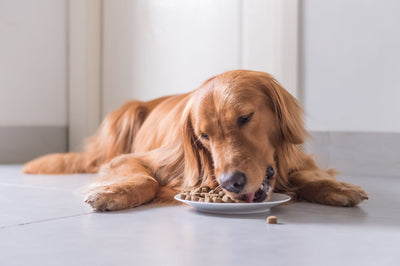
Why Limited Ingredient?
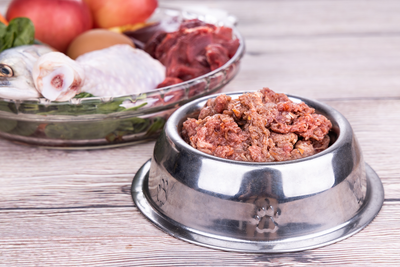
Raw Pet Food: Is It Right for You?